PARTS & DESIGN

Discover the innovative engineering behind our dry leaves-to-paper transformation machine

Leaf paper making process

Transforming Dry Leaves into Sustainable Paper

Our innovative machine breathes new life into fallen dry leaves by transforming them into sustainable paper, powered by IoT automation.

More than a process—it's a movement against deforestation, waste, and pollution. Join us as we re-envision what nature's leftovers can become—because every leaf deserves a second life.

100%

Natural Materials

24/7

IoT Monitoring

0%

Chemical Waste

THE 3D MODEL

Navigate The 3D Model

Click the "Click for 3D Model Viewer" button to explore the BeLeaf IT 4.0 machine in full detail.

  • Left-click and drag to rotate the model.
  • Scroll to zoom in and out.
  • Use the toolbars for more navigation options

This interactive 3D model is powered by SketchUp, providing a realistic view of our machine's design and components.

BELEAF IT 4.0 AUTOMATED MACHINE

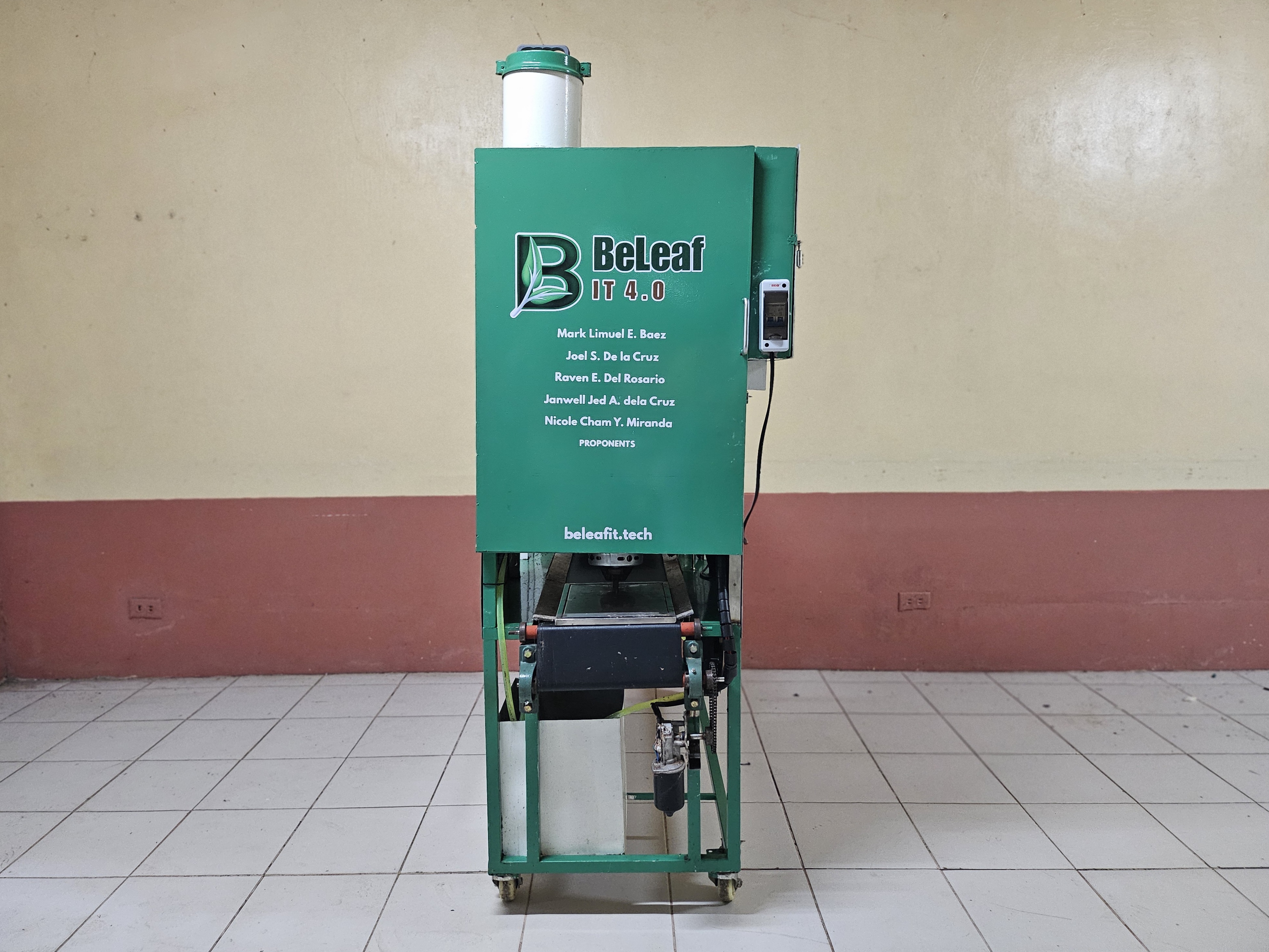
Front view

FRONT VIEW

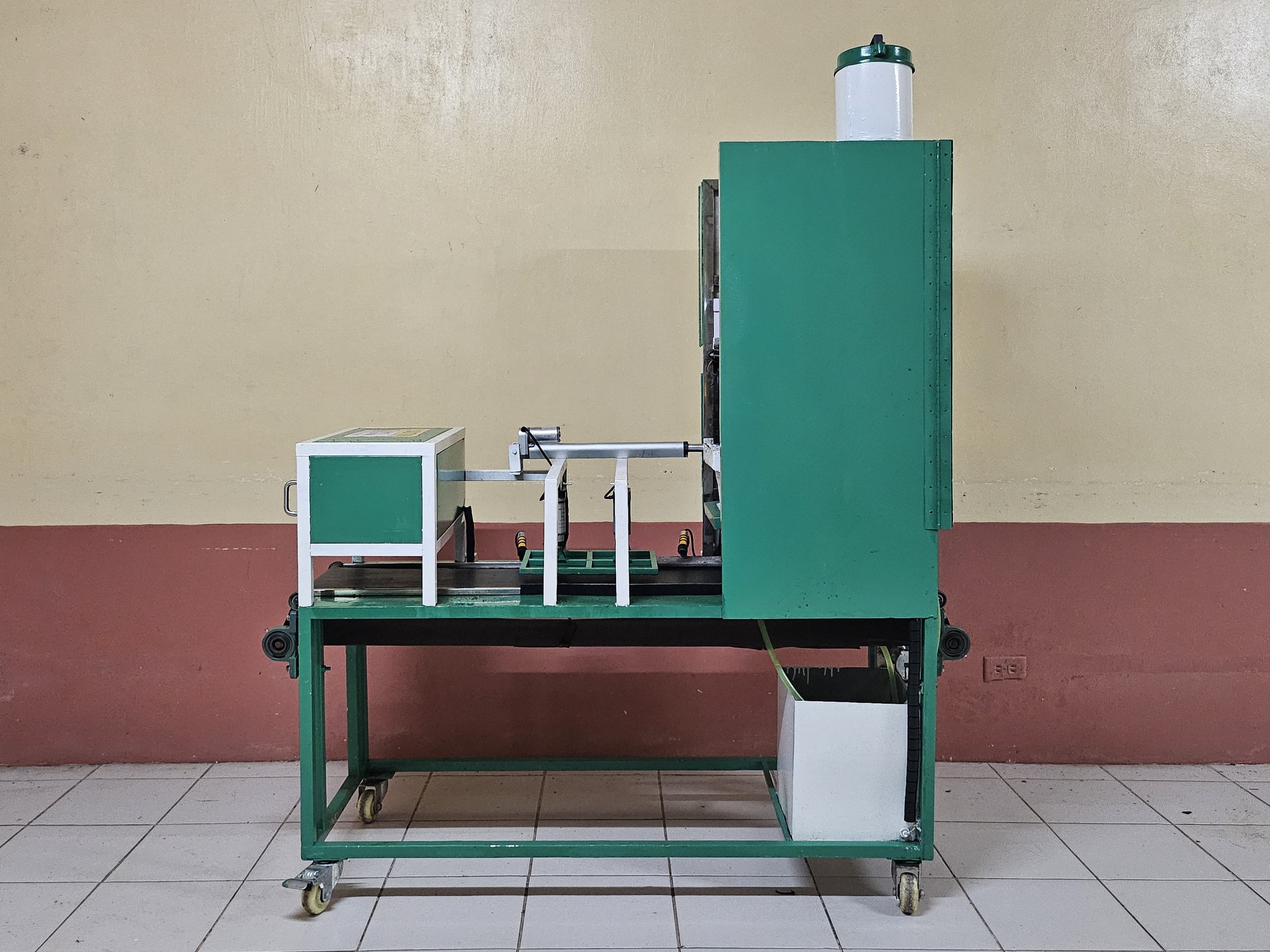
Left side view

LEFT SIDE VIEW

Right view

RIGHT VIEW

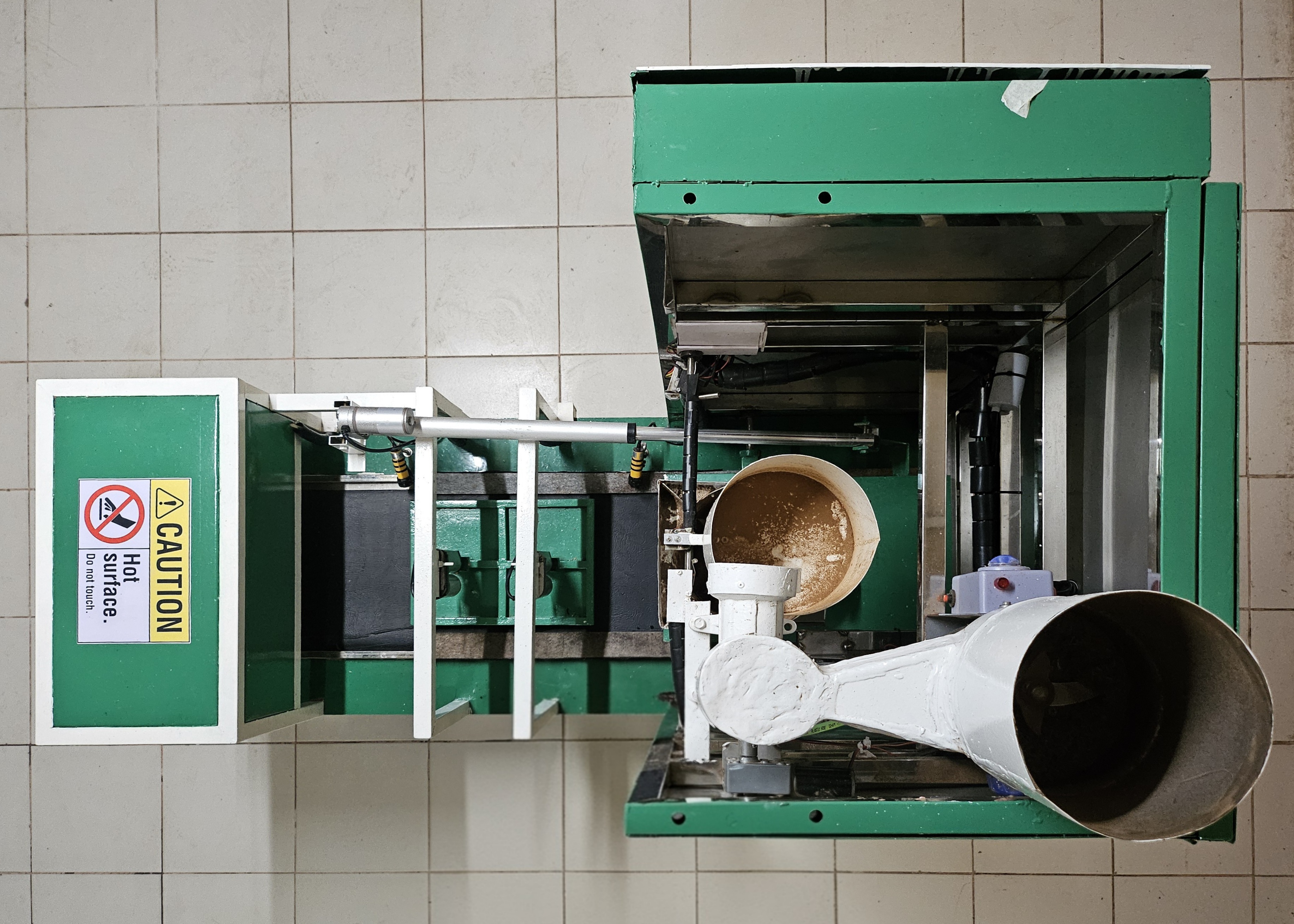
Top view

TOP VIEW

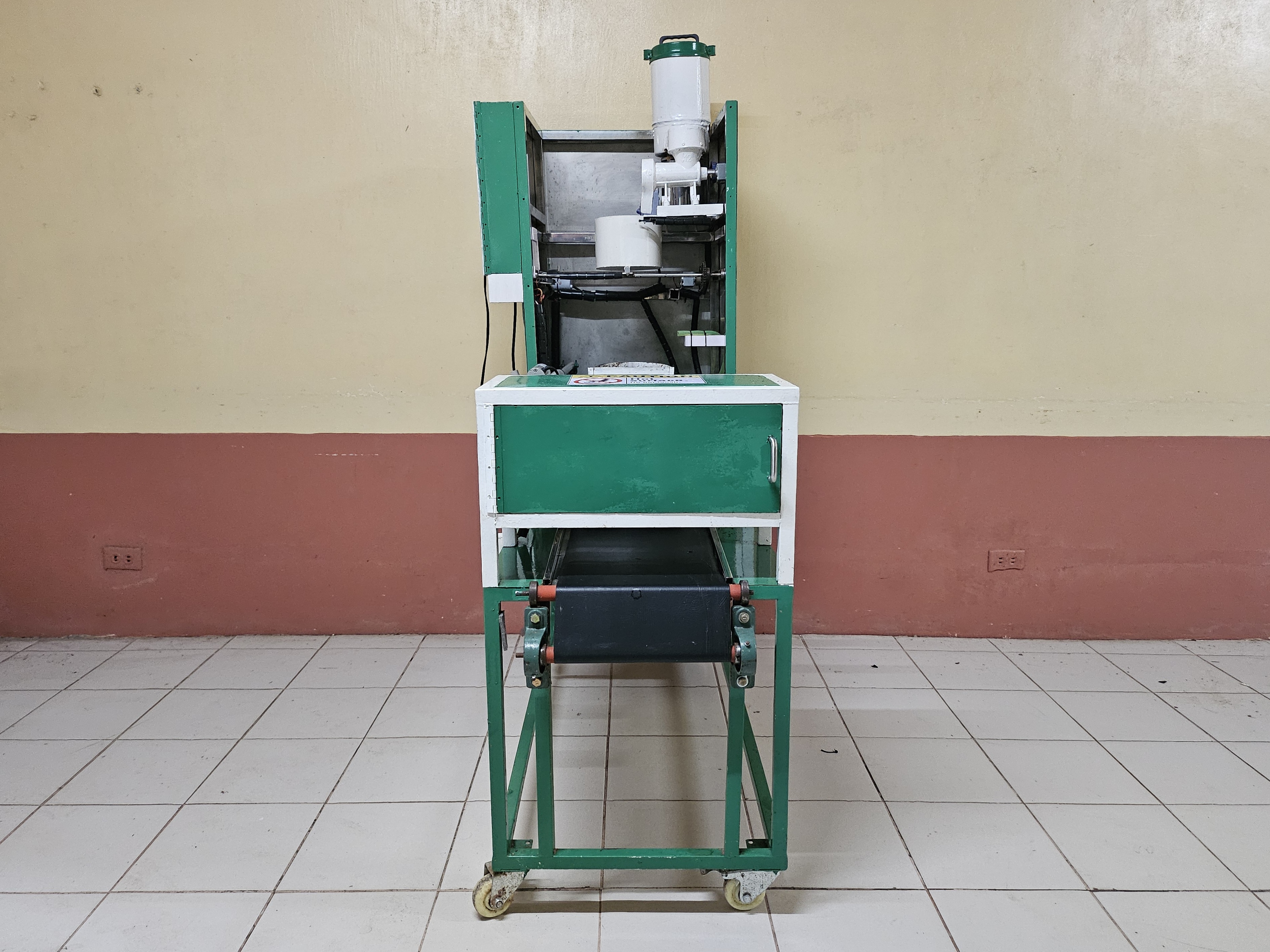
Back view

BACK VIEW

IMPORTANT PARTS OF THE MACHINE

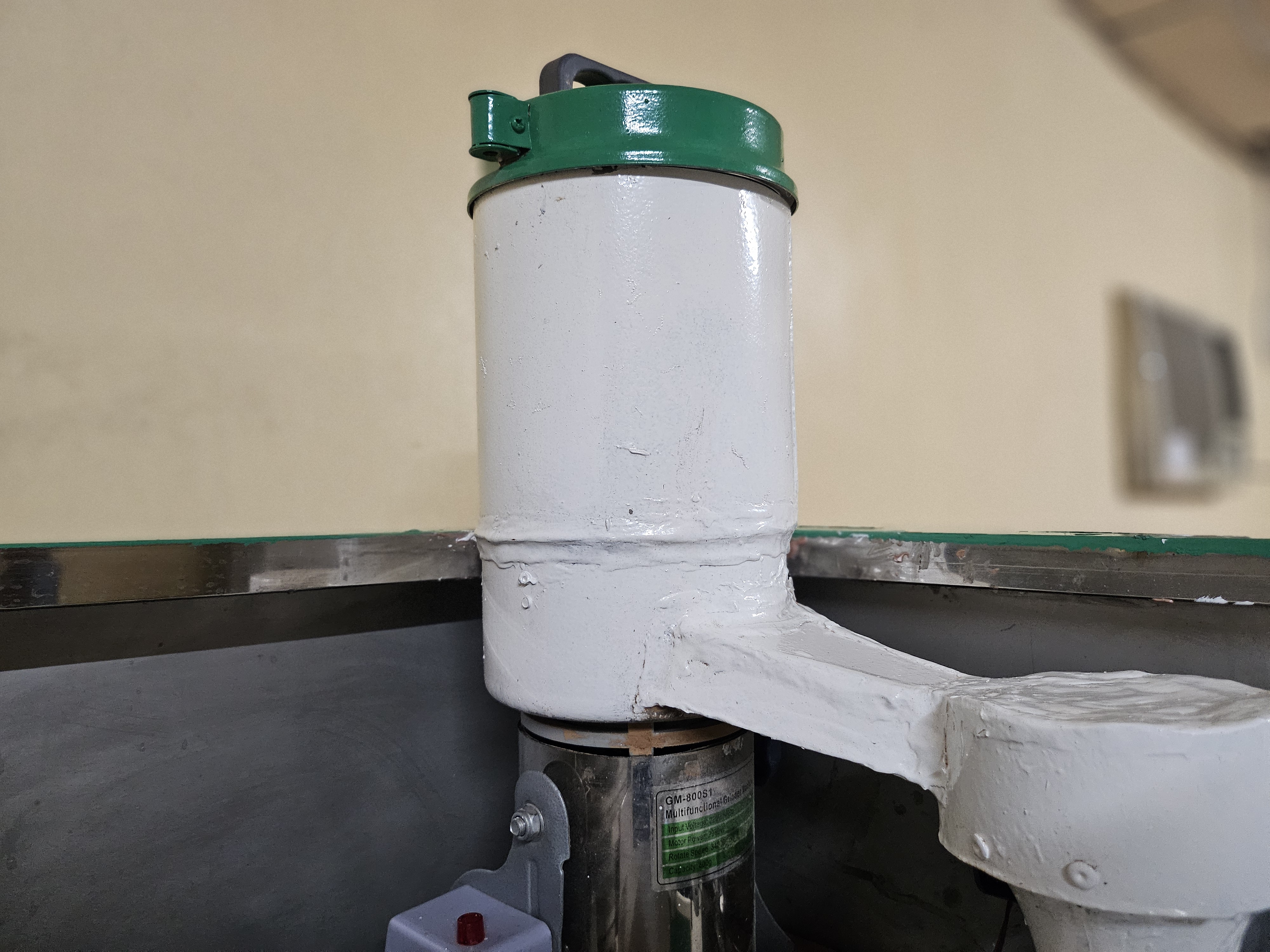
Grinder

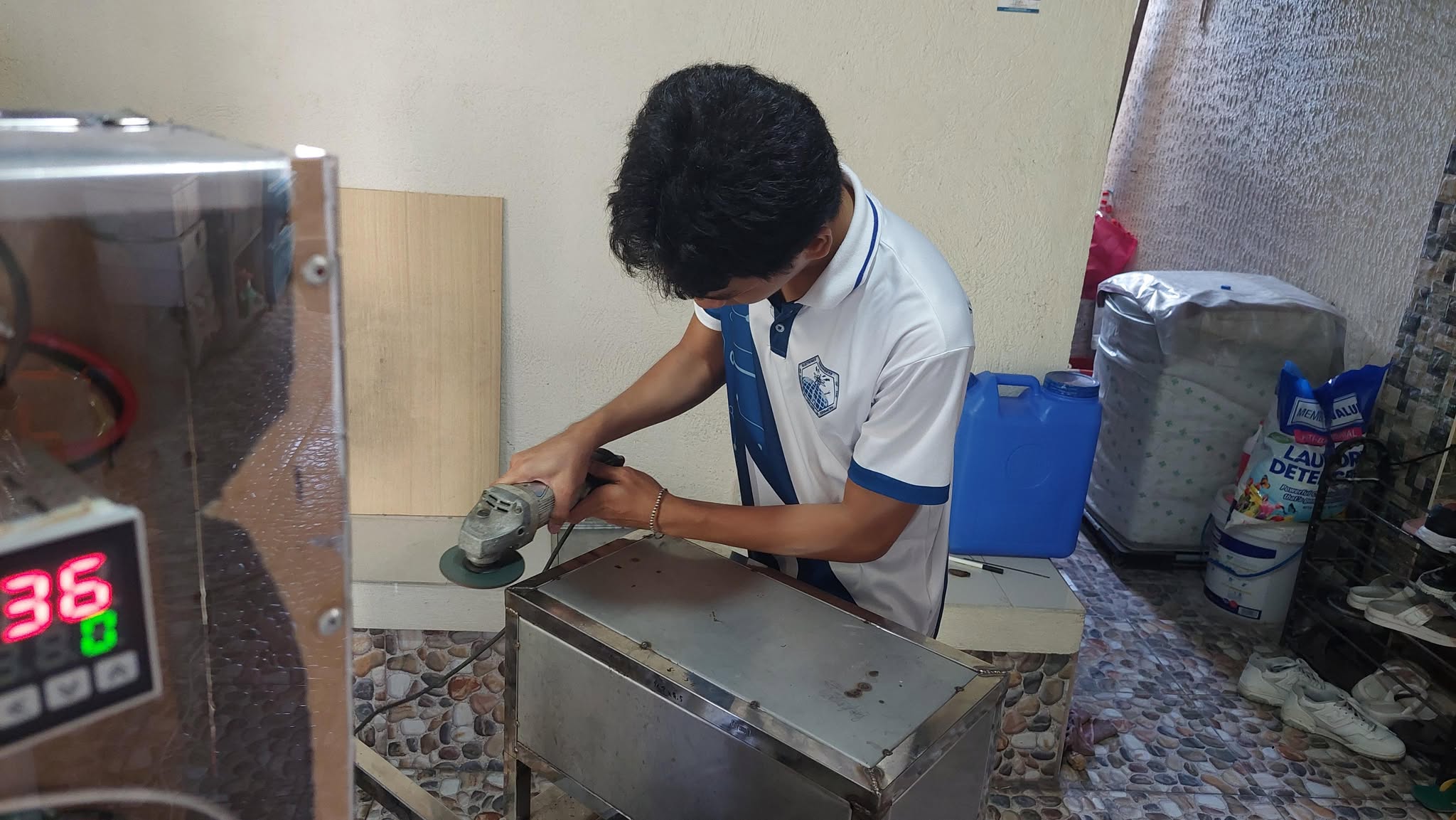
The grinder is responsible for shredding and pulverizing dry leaves into smaller, uniform particles suitable for pulp formation. It ensures that the raw material is processed finely enough for easier mixing and better bonding during paper formation, minimizing large impurities that could affect sheet quality.
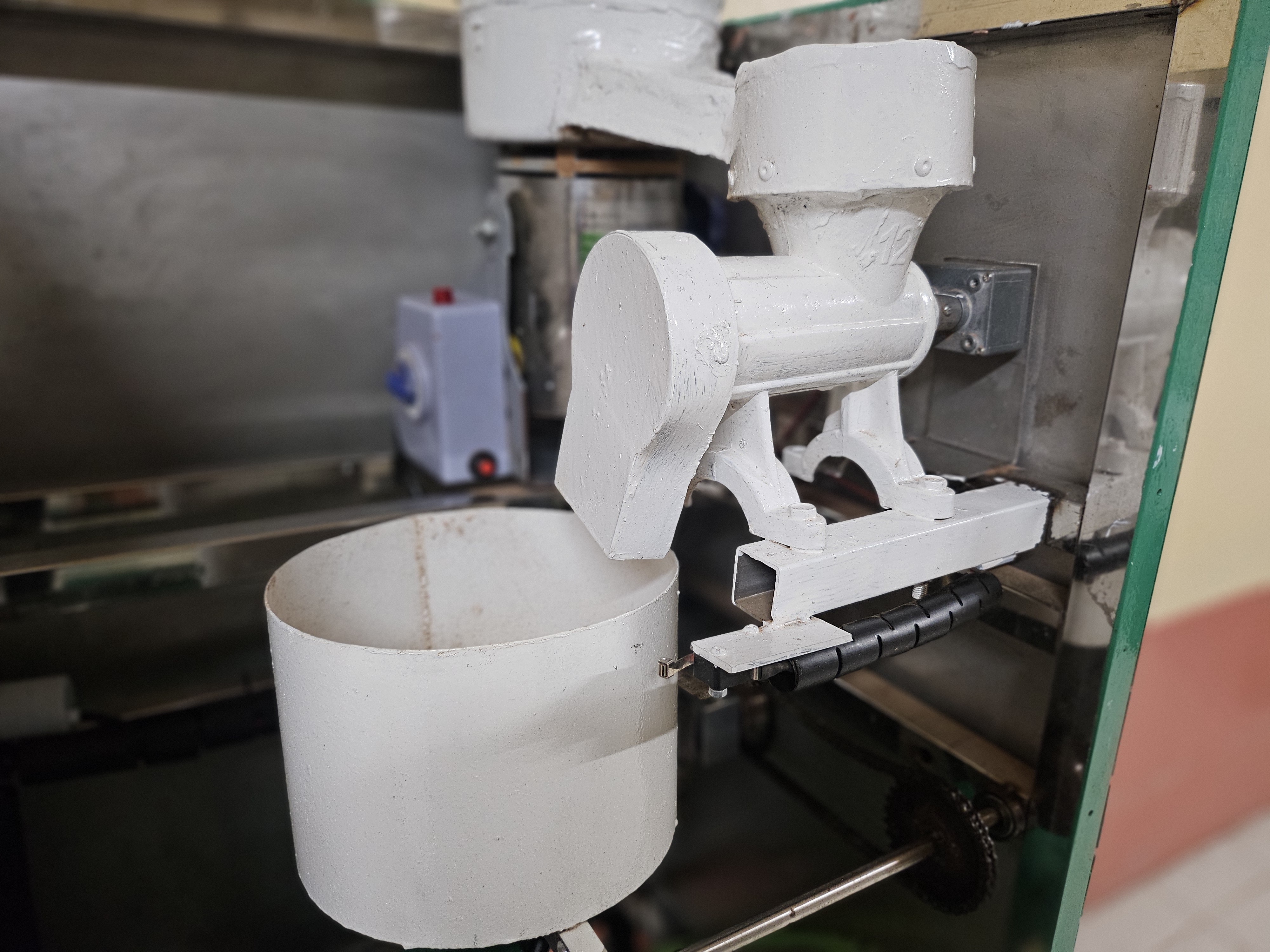
Conveyor System

The dispenser allows to dispense the grinded dry leaves directly to the weighing scale container and runs until weight required is met. In addition, weighing scale measures the amount of grinded dry leaves and check if it meets the weight threshold set by the user. This system also transfer grinded dry leaves to the mixer.
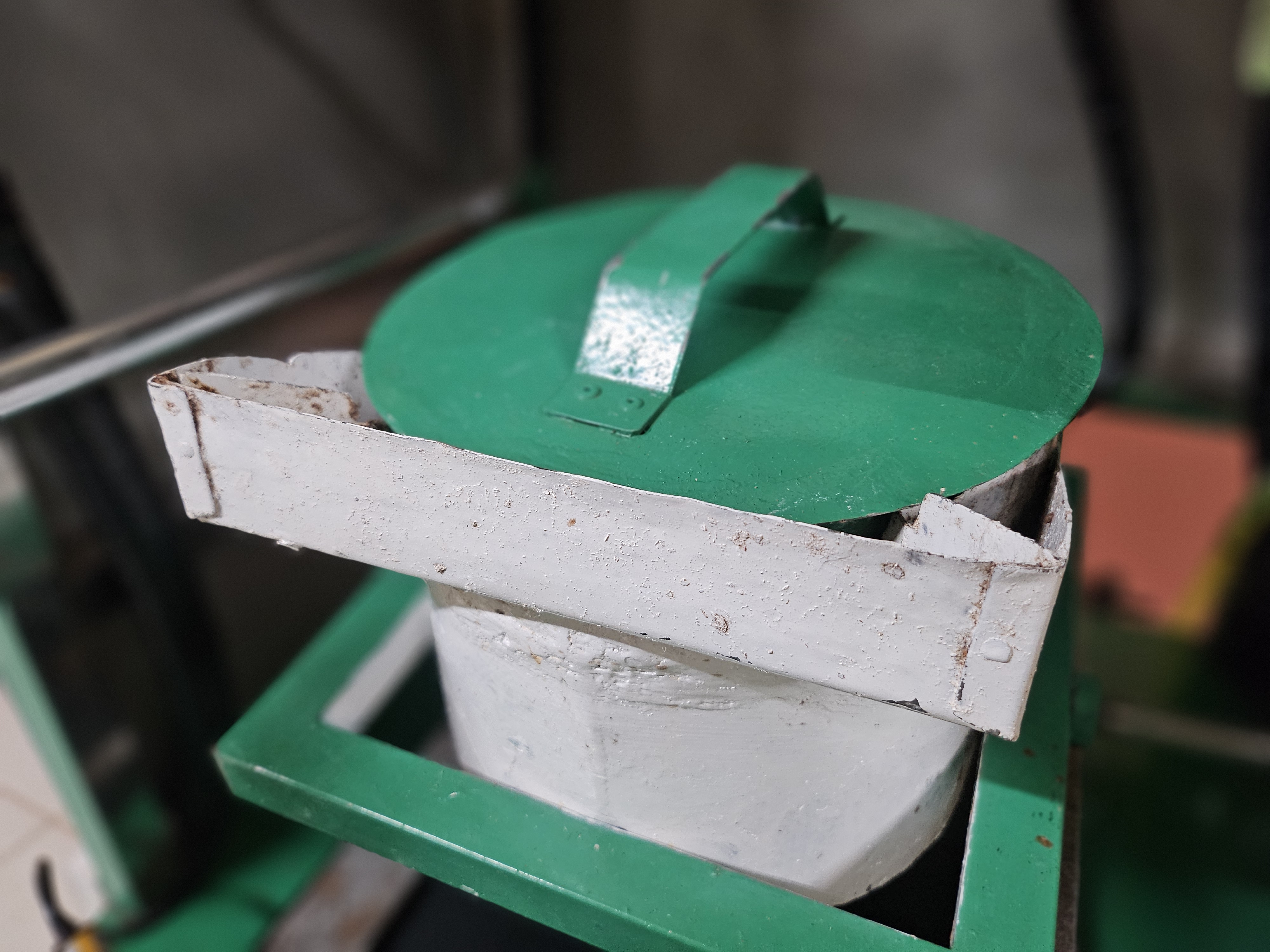
Mixer

The mixer blends the pulverized leaves with water and binding agents to create a consistent pulp mixture. Proper mixing is essential for achieving uniform fiber distribution, improving the strength, thickness consistency, and bonding of the final paper sheets.
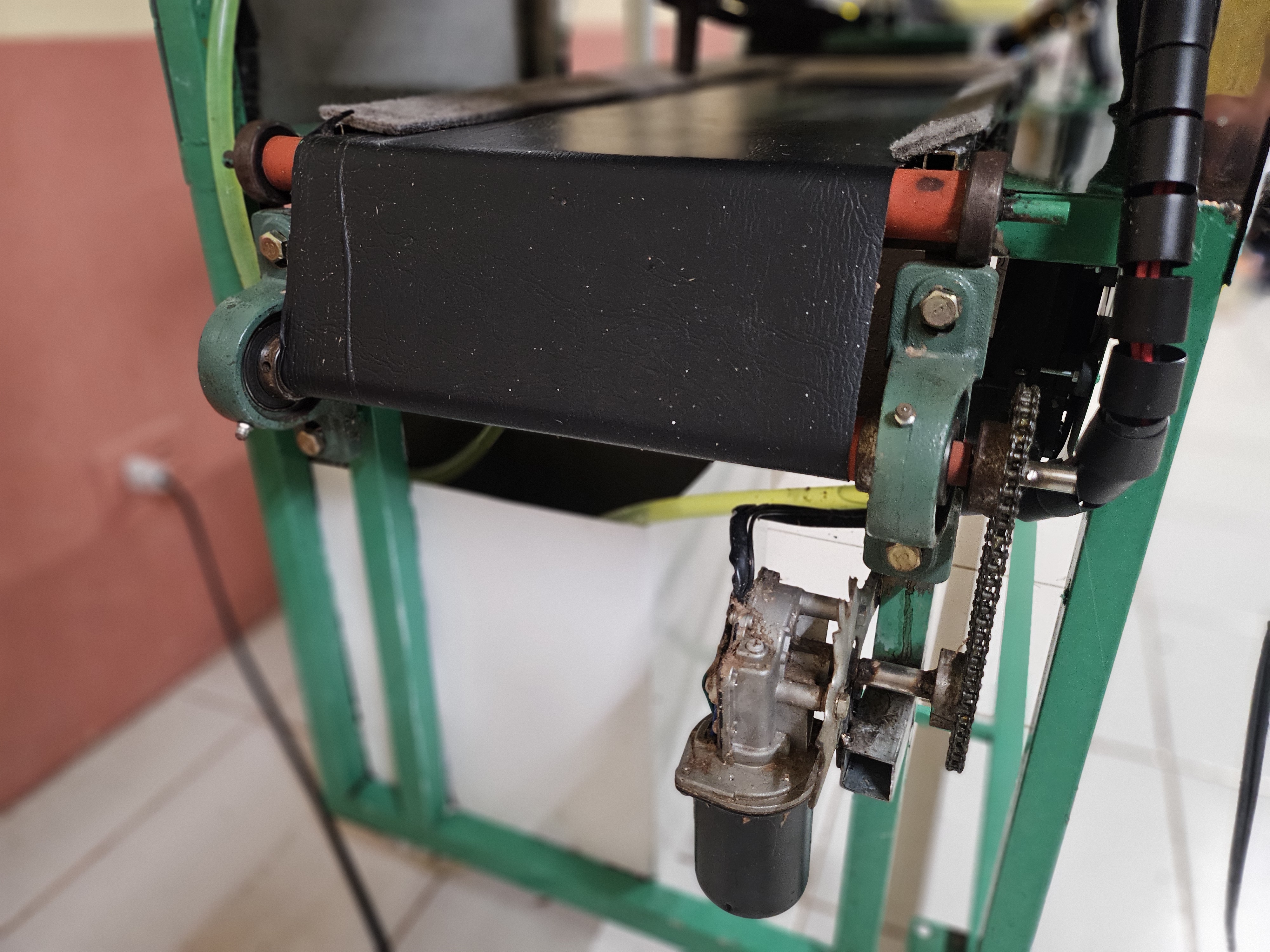
Conveyor System

The conveyor allows movement of the deckle to evenly pour the mixed pulp to the deckle. It automatically transports the deckle from the forming section into the compressor section. This ensures a smooth and consistent flow of material, minimizing manual handling and preserving sheet structure during transfer.
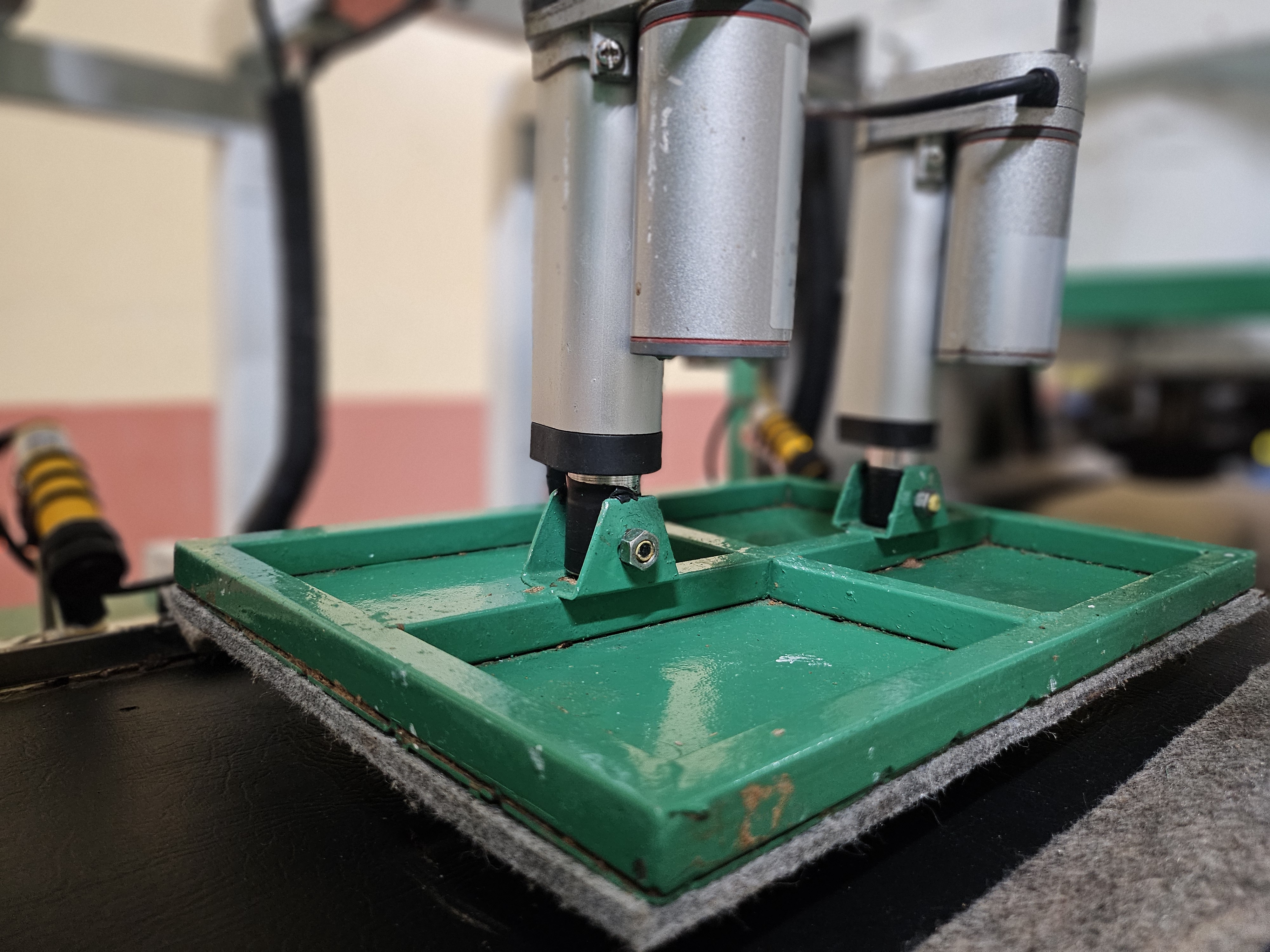
Compressor

The compressor applies controlled pressure during the pulp forming process. It improves the sheet's density, fiber bonding strength, and overall quality by removing excess water and air gaps before drying.
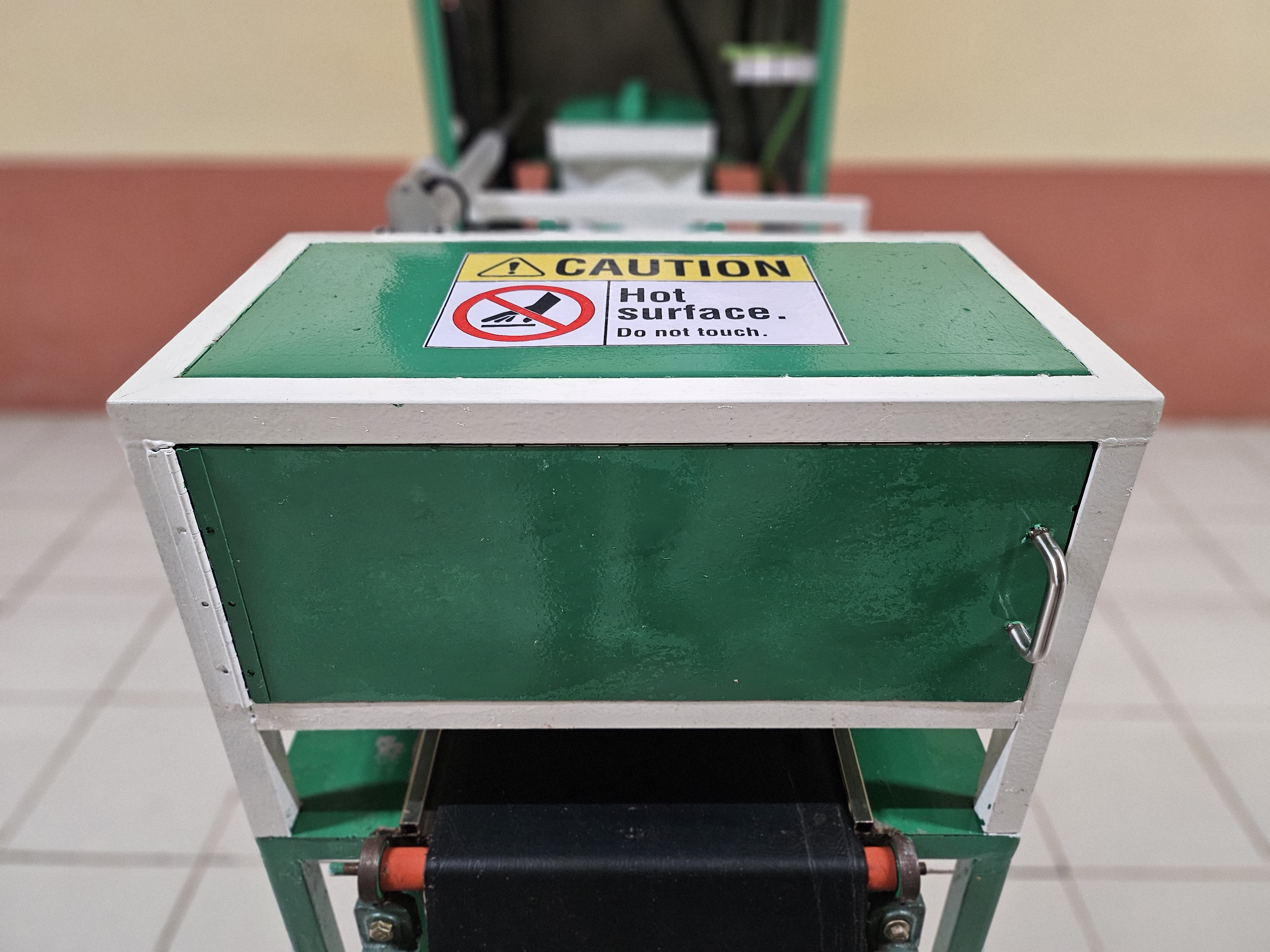
Heat Chamber

The heating chamber dries the pulp sheets using controlled heat. Uniform drying helps solidify fiber bonding, maintain sheet thickness consistency, and prevent common defects like warping or cracking.
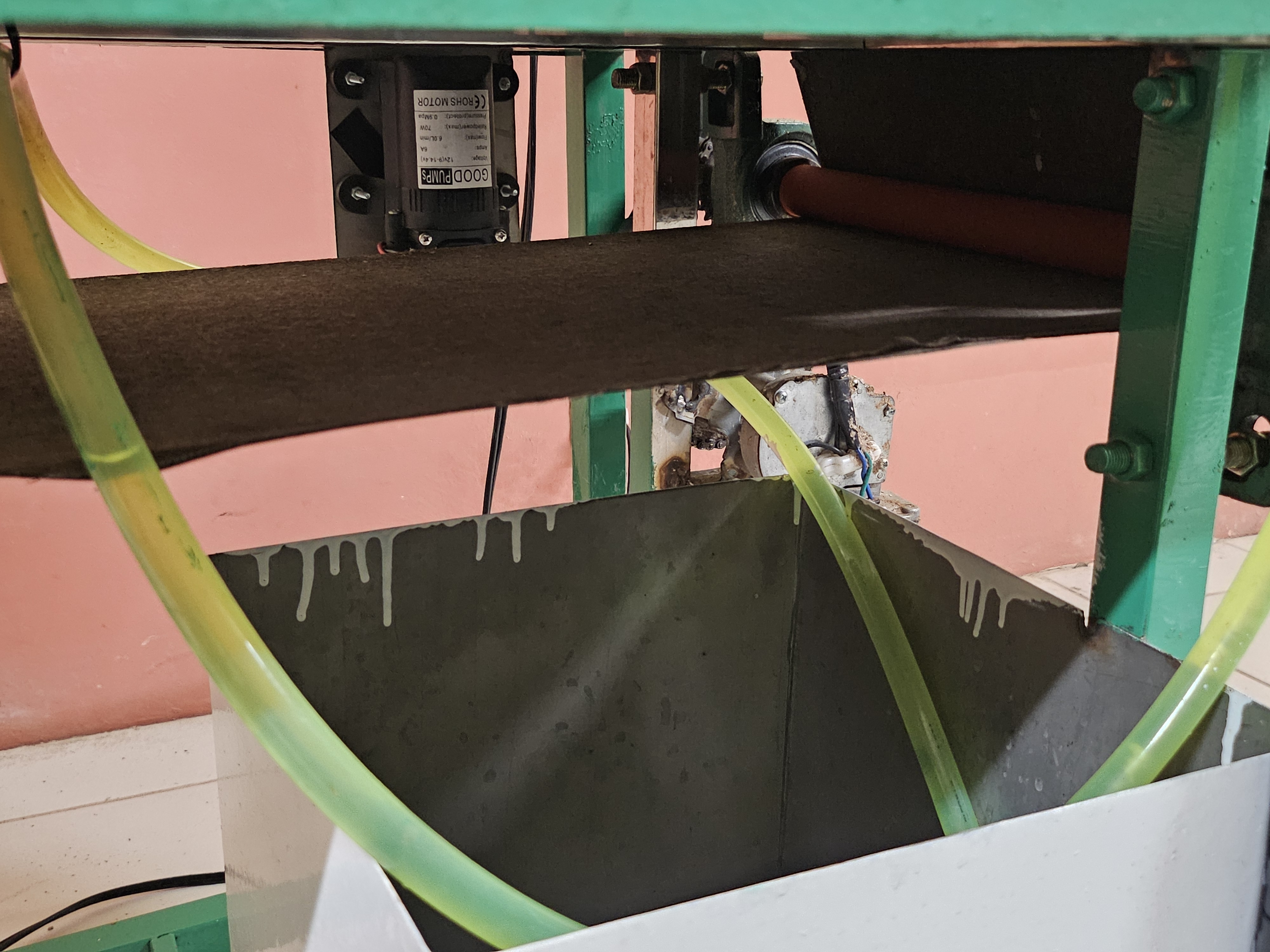
Water Tank and Pump

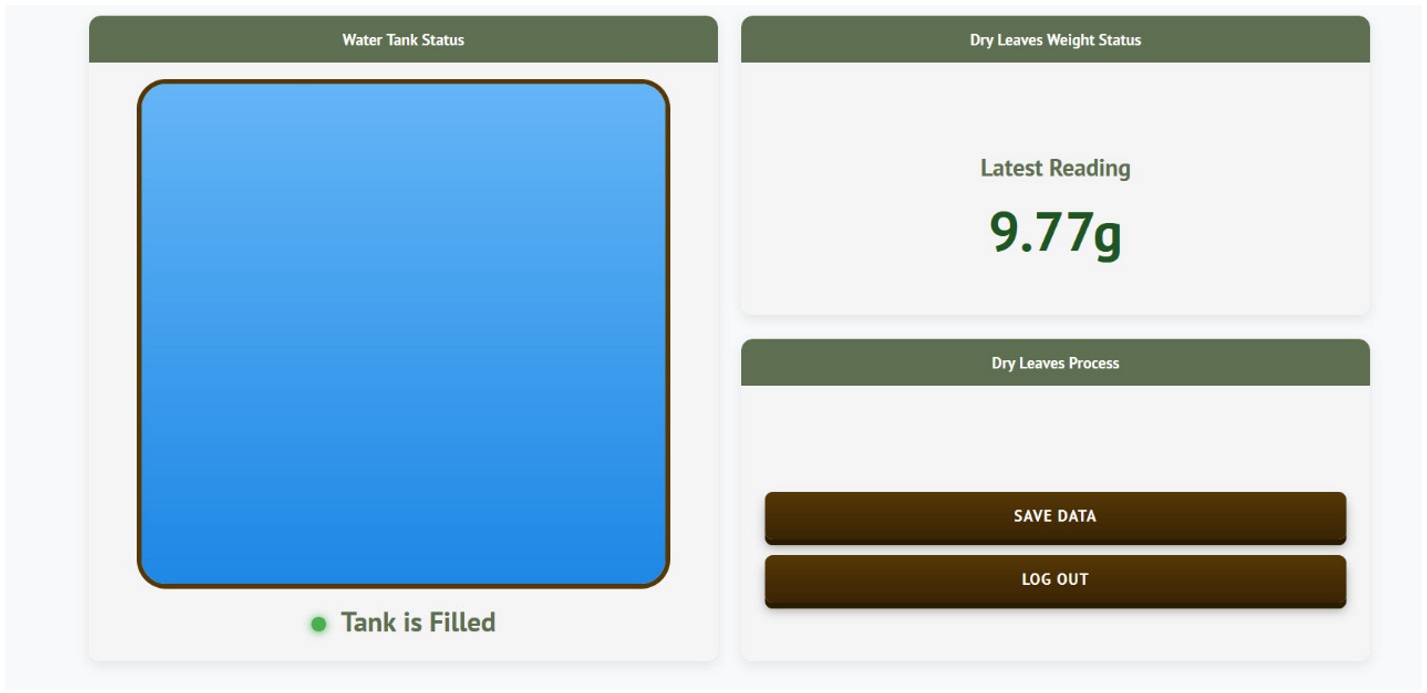
The water tank stores clean water, while the pump delivers the right amount to the mixing chamber, ensuring ideal pulp consistency and smooth production.
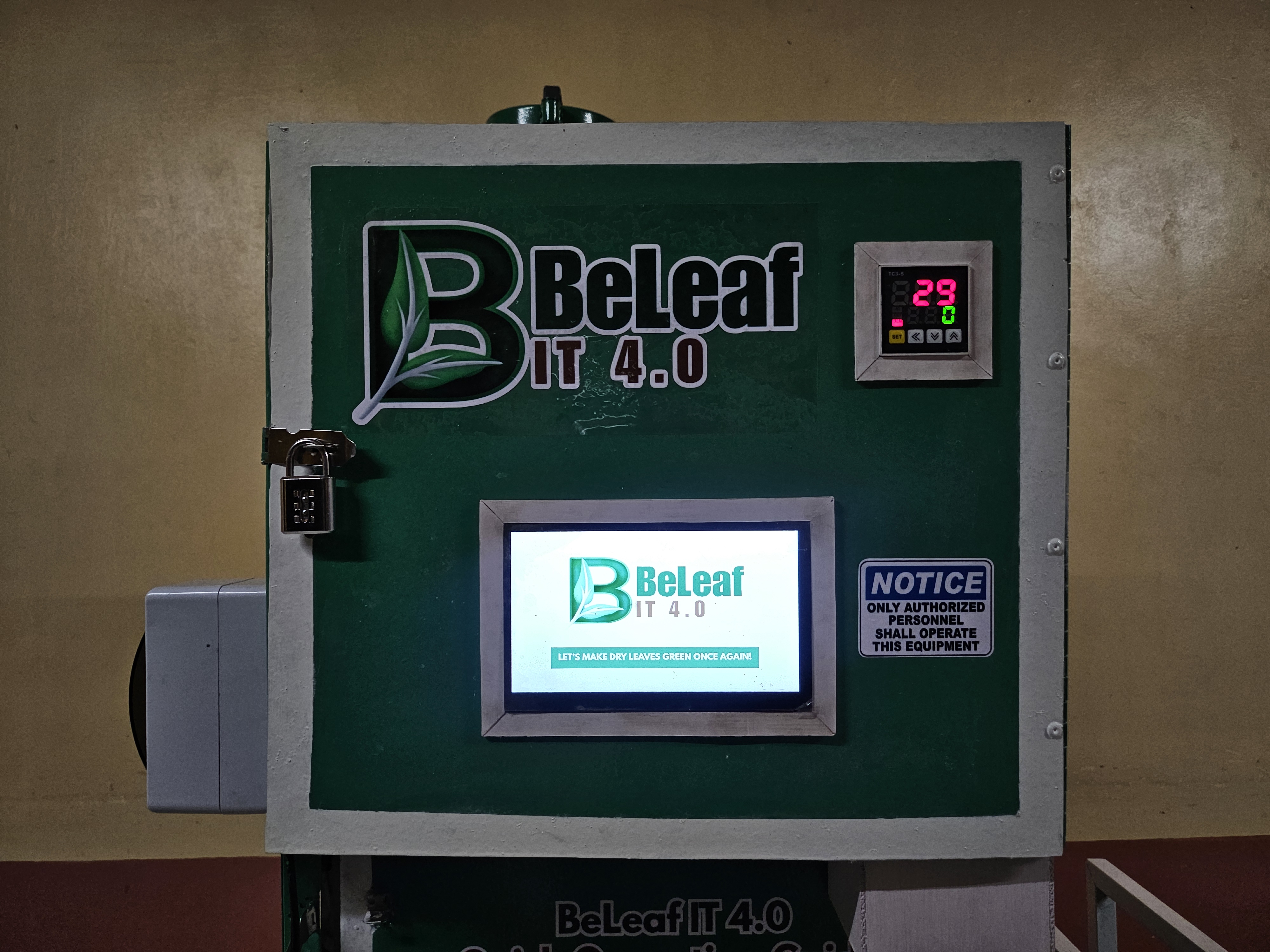
LCD Display

The LCD display functions as the main control panel of the machine. It allows operators to set time for various processes of the machine. It also provides manual control over basic machine operations, ensuring easier and more efficient workflow management.

BeLeaf IT 4.0: Empowering Real-Time Monitoring through IoT

IoT Monitoring
IoT Dashboard

Real-Time Monitoring

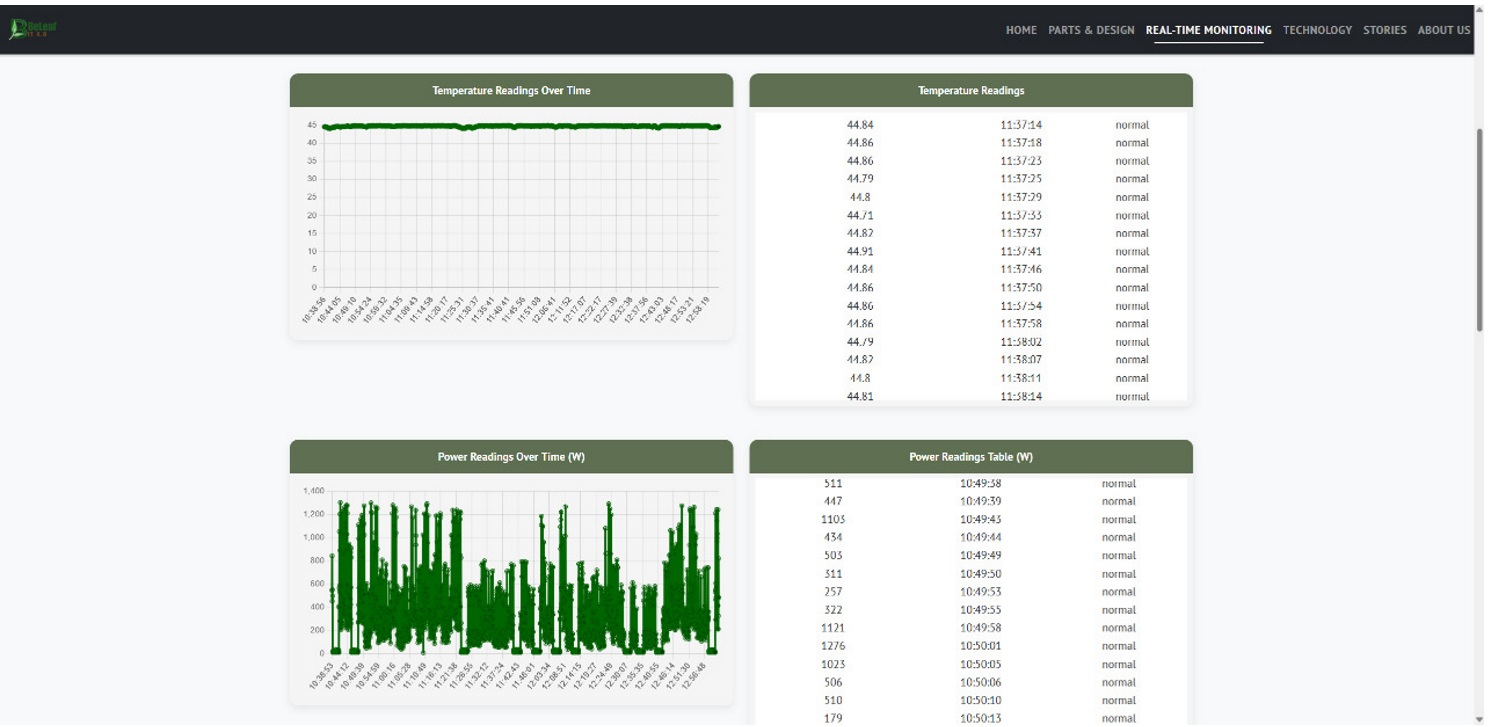
The real-time monitoring system of BeLeaf IT 4.0 utilizes IoT technology to display live charts and data from sensors, such as temperature, power usage, and dry leaves weight, on the web. The system is accessible only by authorized operators through a secure login.

1. Secure Login

Authorized operators enter their credentials to access the system securely.

2. Live Data Visualization

Upon successful login, the system presents live charts and sensor data (temperature, power, dry leaves weight) on the web interface.

3. Performance Analytics

Operators can view and analyze the data to assess the process and performance.

4. Make Adjustments

Based on the insights, operators can make necessary operational adjustments in the machine to optimize the system's efficiency.